Imagine places where once there was only emptiness—no plants, no water, no hope. There are incredible stories of people who turned lifeless deserts into thriving oases, and we’ll share just a few of them.
Heroes Don’t Wear Capes
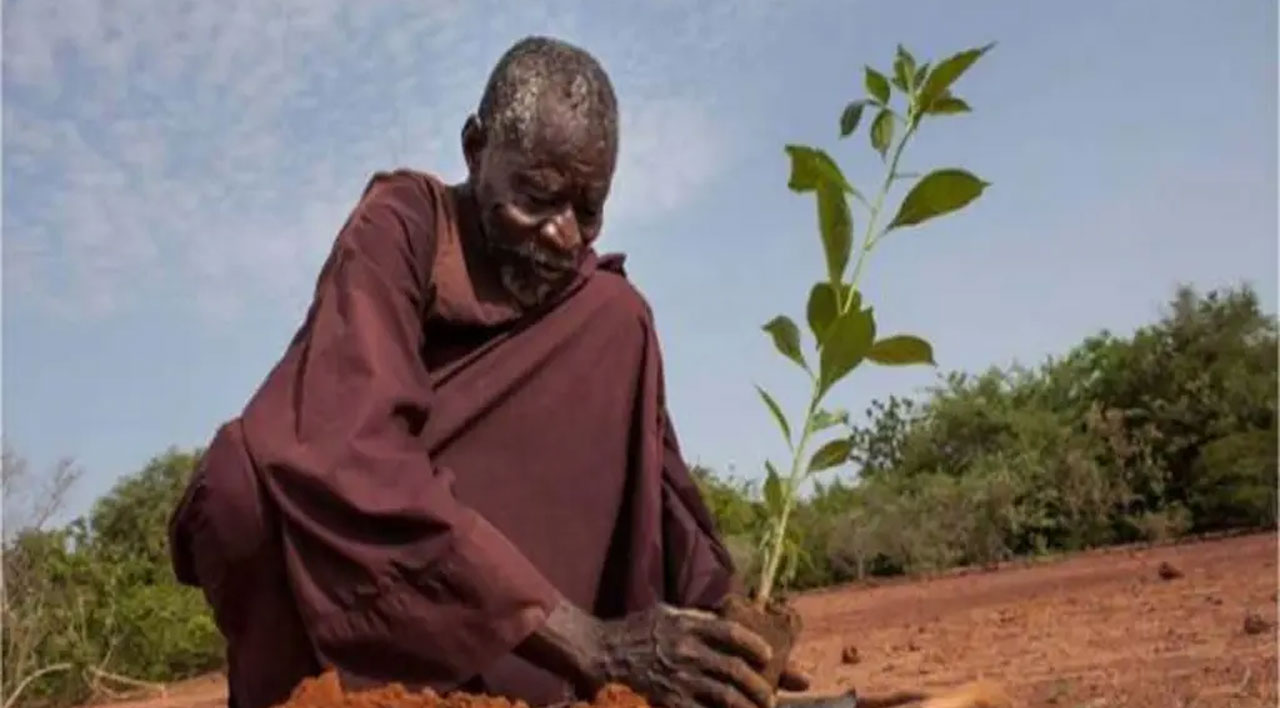
In different corners of the world, ordinary people perform extraordinary deeds. In Burkina Faso, a farmer named Yakuba created a true oasis across 40 hectares of former desert. His innovative water conservation system, using special pits, helped retain precious moisture in the soil. Now, gardens flourish here, providing food even during the driest seasons.
In Niger, the story is even grander—Toni transformed an area the size of 50,000 football fields. The results are staggering: crop yields increased by 30%, and the hunger crisis has significantly diminished. Where there was once desert, herds now graze, and fields thrive.
On the other side of the world, in India, Jadav saved the entire Majuli island from erosion by creating a protective forest cover. Meanwhile, in Brazil, Salgado breathed new life into a depleted ranch, turning it into a flourishing ecosystem.
Restoring Nature’s Balance
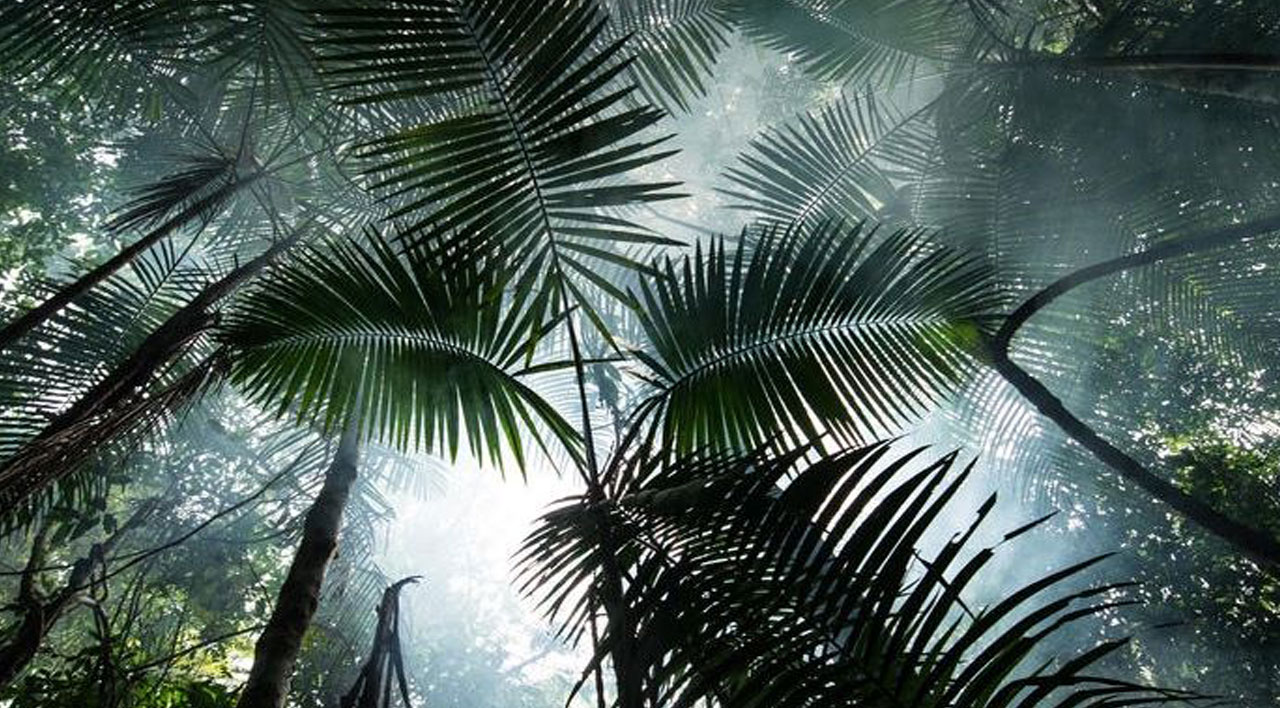
Reforestation has brought astonishing changes. Tigers and elephants have returned to Jadav’s forest, forming a natural sanctuary. Yakuba’s land now hosts bees producing honey. In Salgado’s territory, 172 bird species—unseen there for half a century—sing once more.
Social Transformation
The revival of nature has also transformed people’s lives. Mass migration has stopped—people now have jobs at home. New income sources have emerged: beekeeping, sustainable forestry, and ecotourism. Salgado’s project even established an educational center teaching ecosystem restoration techniques.
Global Impact
- Lower temperatures and protection from dust storms
- Carbon dioxide absorption (Salgado’s forest alone sequesters 20 tons of CO2 annually)
- Inspiration for new ecological initiatives worldwide
- Development of methods now used in 25 countries
A Message of Hope
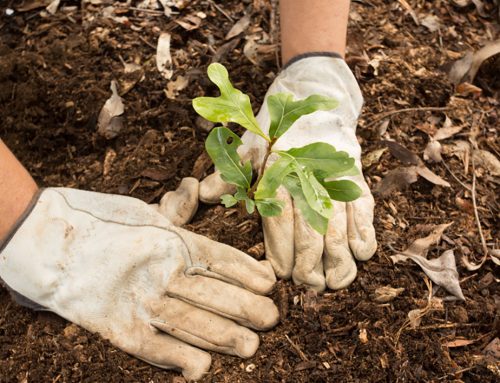
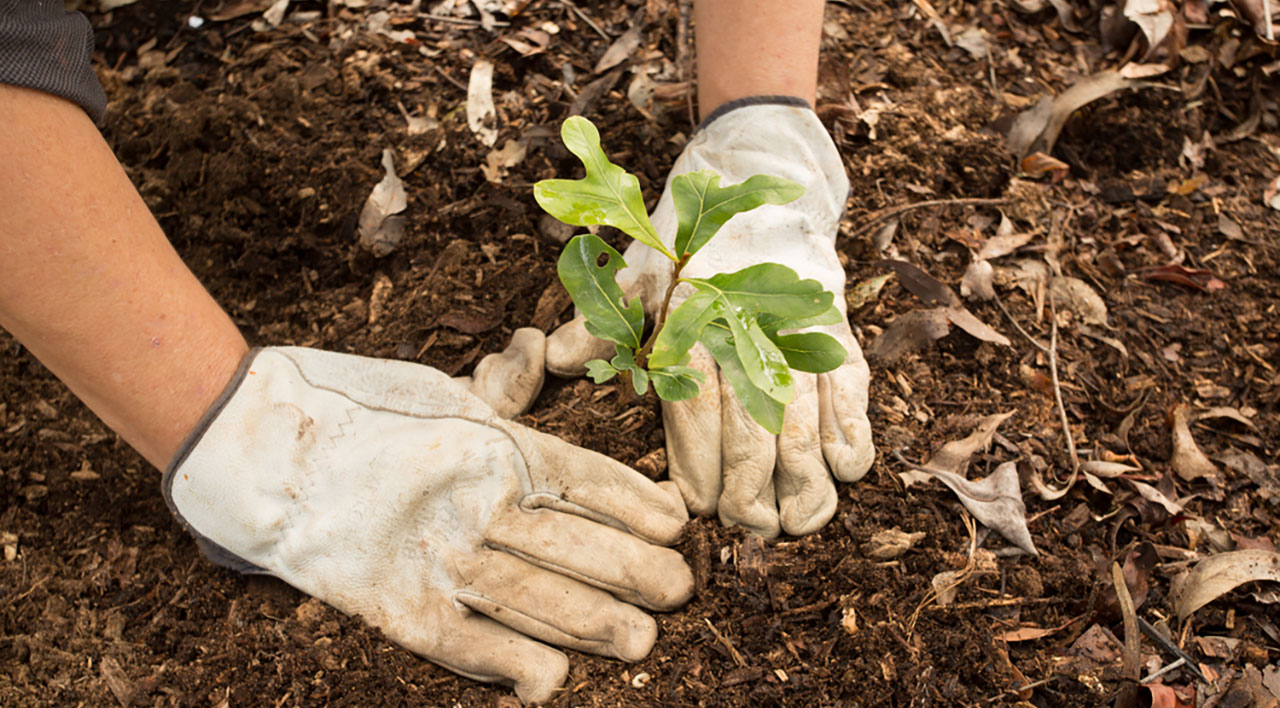
These stories prove that each of us can make the world better. You don’t need to be a millionaire or a politician—just start with a single tree. If every person on the planet planted just one tree, we’d have 8 billion new trees—more than were cut down in the past century.
These pioneers have shown the way. Now it’s our turn to carry on their work and create a better future for the next generations.