
Forests play a crucial role in reducing carbon dioxide (CO₂) levels in the atmosphere, acting as a powerful terrestrial carbon sink. According to a study published in Nature (DOI: 10.1038/s41586-023-06723-z, November 13, 2023), forests can absorb and store vast amounts of carbon, preventing its release into the atmosphere. However, human-induced changes, such as deforestation, significantly diminish this capacity.
How Do Forests Reduce CO₂?
The process of carbon dioxide absorption by forests occurs through photosynthesis. Trees use CO₂, sunlight, and water to produce nutrients that become part of their biomass. In doing so, carbon is stored in the wood, while oxygen is released back into the atmosphere.
Globally, forests account for 80–90% of all plant biomass on Earth and provide a habitat for an immense variety of living organisms—ranging from birds and insects to rare plants. This is not only beautiful but also vital.
Carbon Storage Potential
According to the aforementioned study, if humans had not intervened, forests could have accumulated around 600 gigatons of carbon across an area of 4.4 billion hectares. However, due to deforestation, fires, and other disturbances, this potential remains largely untapped. The global carbon deficit in forests amounts to 226 gigatons—meaning forests could store far more carbon if we protected and restored them.
Most of this potential (61%, or 139 gigatons) lies in existing forests, which require protection and restoration to reach their natural state. The remaining 39% (87 gigatons) could be regained in areas where forests once grew but have been destroyed.
Consequences of Inaction
If no action is taken, the consequences could be catastrophic:
- Deforestation releases 0.9 to 2.3 gigatons of carbon into the atmosphere annually, accounting for nearly 15% of all human-related CO₂ emissions.
- Forests are key to climate regulation, and their loss will accelerate warming, increasing the frequency of droughts, floods, and extreme weather events.
- Rising CO₂ concentrations and worsening air quality could lead to increases in respiratory illnesses and allergies.
- Forests retain moisture and prevent soil erosion; their disappearance will affect crop yields and the quality of agricultural land.
- The loss of forests will result in the extinction of numerous plant and animal species, disrupting ecosystem balance.
When Will Changes Become Noticeable?
If deforestation continues unchecked, the first noticeable changes will emerge within 5–20 years. IPCC reports indicate that:
- Forests prevent erosion and droughts; their loss will cause agricultural challenges.
- Rising atmospheric CO₂ will degrade air quality and impact human health.
- The climate will become less predictable, with more frequent natural disasters.
Without forest restoration and protection, the consequences will intensify after 20–50 years:
- Increased frequency of droughts, floods, and wildfires.
- Reduced food security and rising food prices.
- Loss of numerous animal and plant species, disrupting ecosystems.
If inaction persists for 50–100 years, the situation will become critical and irreversible:
- Global warming will spiral out of control.
- The economies and agriculture of many countries will face collapse.
- The quality of life for millions will decline due to extreme climate conditions.
Impact of Forest Restoration in Moldova
In Moldova, forests cover only 11.4% of the territory (according to 2011 data), and their condition is deteriorating due to logging and agricultural use. Restoring forests would bring significant benefits to the country:
- CO₂ Reduction: Even small forest areas can noticeably improve air quality.
- Biodiversity Support: Forests sustain flora and fauna, fostering ecosystem preservation.
- Climate Protection: Forests regulate water balance, prevent soil erosion, and mitigate extreme weather conditions.
Conclusion: Why Action Is Urgent
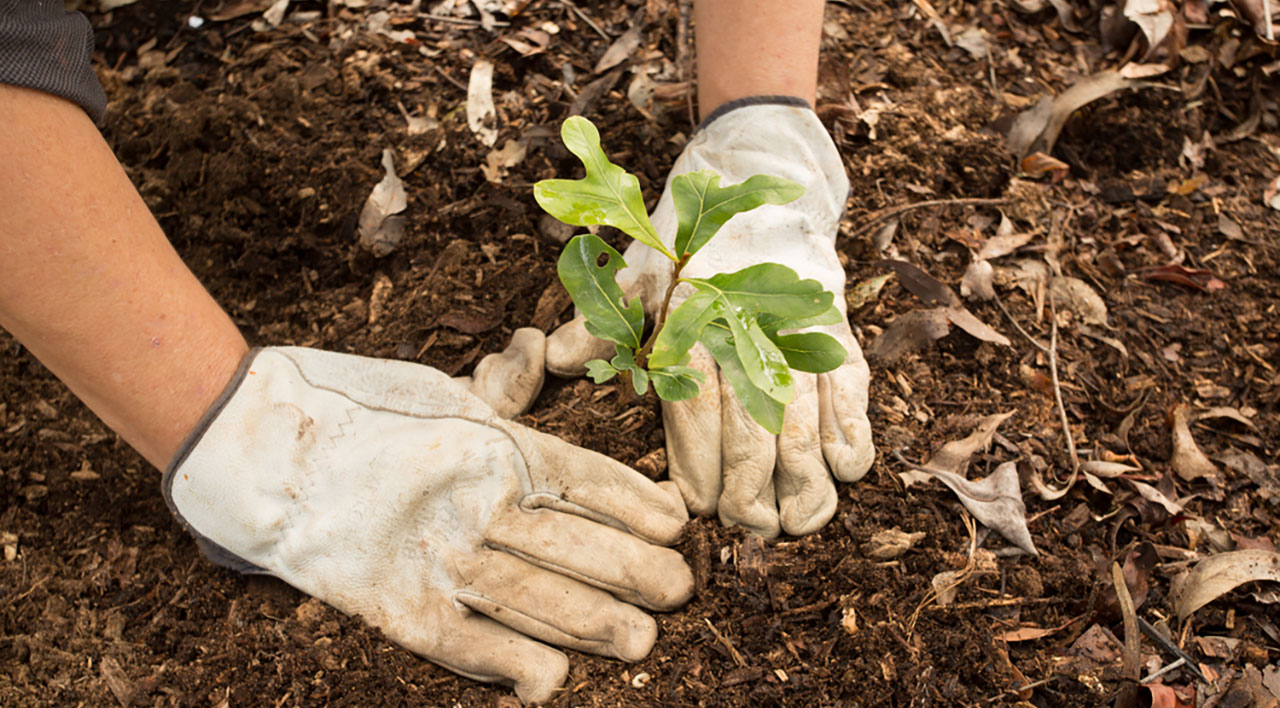
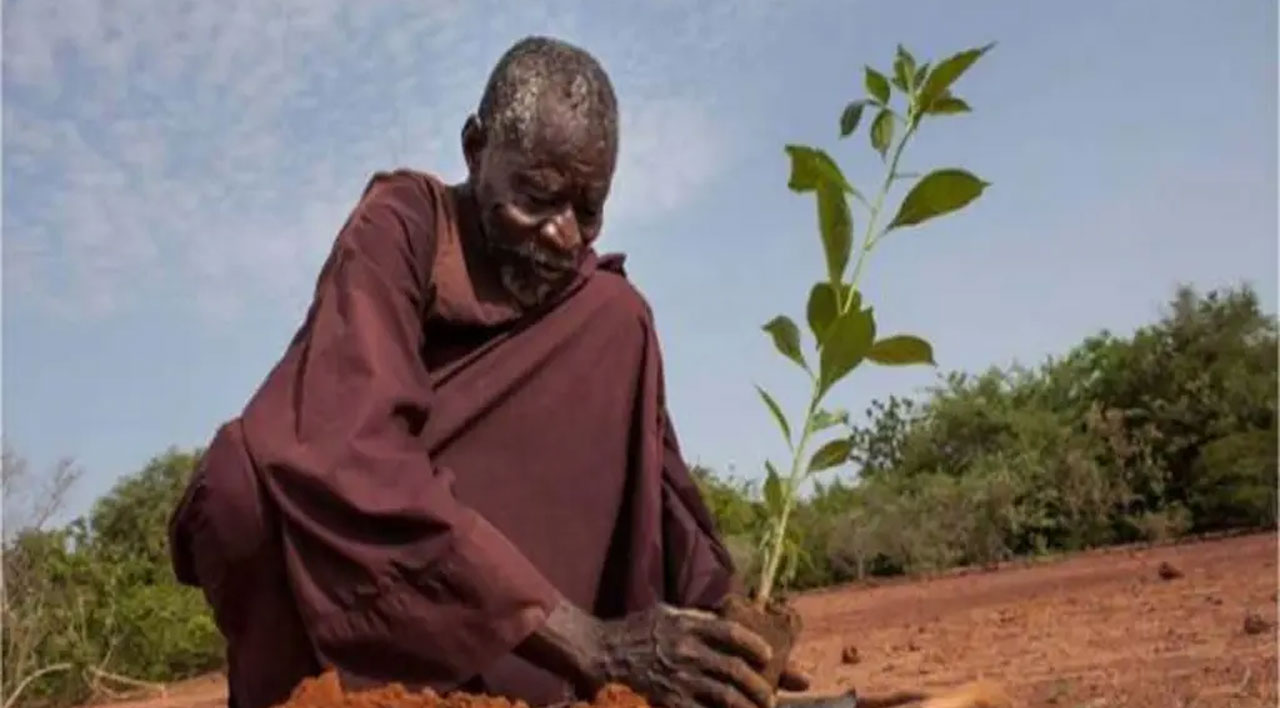
Forests are not just green expanses; they are the foundation of life on Earth. Their preservation and restoration are key to a healthy future for all of us. If we act now:
- Farmers can protect their land from erosion and drought.
- Urban residents will enjoy cleaner air and better health.
- Tourists and nature lovers can revel in the richness of forests.
- Biodiversity will be preserved, and ecosystems can recover.
But if we ignore the problem, noticeable negative changes will begin within 5–20 years. In 50–100 years, the situation could become irreversible. The sooner we protect and plant new forests, the better our chances of maintaining nature’s balance. Forests are not just a shield against climate change—they are our salvation. Our care today ensures a healthy tomorrow.